
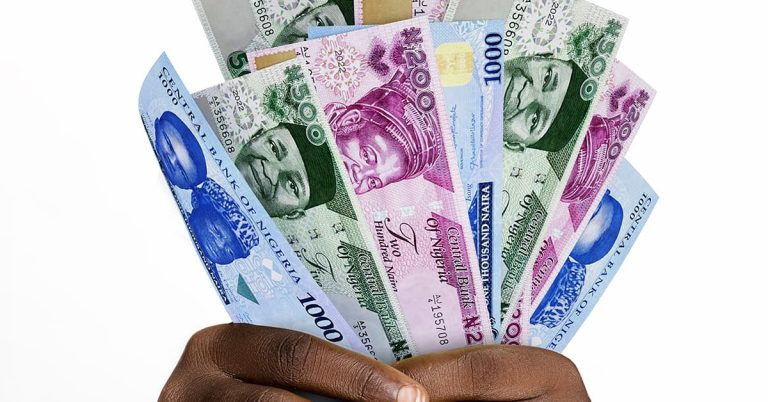
The Central Bank of Nigeria (CBN) is set to launch the much-anticipated Nigerian Foreign Exchange (FX) Code on January 28, 2025, at its headquarters in Abuja. The initiative is part of ongoing efforts to promote ethical conduct among authorized dealers in the Nigerian foreign exchange market.
The introduction of the Nigerian FX Code marks a significant milestone in the country’s financial sector, with the goal of fostering transparency, accountability, and adherence to global best practices in foreign exchange operations. The move underscores the CBN’s commitment to safeguarding the integrity of Nigeria’s financial ecosystem amid growing concerns over market irregularities.
“The Central Bank of Nigeria has approved the release of the Nigerian Foreign Exchange (FX) Code as a guideline to the banking industry to promote ethical conduct of Authorised Dealers in the Nigerian Foreign Exchange Market. The Bank will formally launch the Code at the CBN Head Office Auditorium, Abuja, on Tuesday, January 28, 2025.” The bank said in a statement
The Nigerian FX Code serves as a comprehensive guideline for authorized dealers, outlining principles to enhance ethical behavior and ensure a level playing field. It is expected to address key issues such as transparency in pricing, prevention of insider trading, and responsible execution of foreign exchange transactions.
The code aligns with international standards, mirroring similar frameworks implemented in global financial hubs. According to the CBN, the adoption of these guidelines will not only improve confidence among market participants but also boost Nigeria’s competitiveness in the international financial community.
In October 2024, the bank launched the Electronic Foreign Exchange Matching System (EFEMS) to facilitate foreign exchange (FX) transactions within the Nigerian Foreign Exchange Market (NFEM). This system enables authorized dealers to conduct all interbank FX transactions exclusively on the CBN-approved EFEMS platform, ensuring transactions are executed and reflected in real-time.
The release of the code comes at a critical juncture as Nigeria grapples with fluctuating foreign exchange rates and the challenges of managing its currency, the naira. By establishing clear rules and expectations for market conduct, the Nigerian FX Code aims to reduce the risk of market manipulation and promote stability in the forex market.
In Nigeria, the black market has flourished due to difficulties in accessing foreign exchange through official channels. The significant disparity between the official exchange rate and the parallel market rate has led the Central Bank of Nigeria (CBN) to enforce stricter regulations on Bureau de Change (BDC) operators.
This approach is highlighted by the recent policy shift, which consolidates all three forex windows into a single one. The CBN has adopted the Investors and Exporters (I&E) window rate determined by market forces of demand and supply from willing buyers and sellers as the sole official rate.
Nigeria’s economy is heavily reliant on crude oil, which serves as a significant source of both foreign exchange earnings and government revenue. Consequently, the steep drop in crude oil prices has had a negative impact on the country’s foreign earnings and reserves, weakened the value of the Naira against major global currencies, and reduced the availability of foreign exchange.
This decline has also widened the gap between exchange rates in the official and parallel foreign exchange markets. Despite significant deregulation, foreign exchange restrictions persist in Nigeria. The Central Bank of Nigeria (CBN) is empowered by law to regulate foreign exchange transactions and stipulates that, unless prohibited by law, any transaction supported by the required documentation qualifies as an “eligible transaction” for purchasing foreign exchange in the official market.
Before June 20, 2016, the official foreign exchange market comprised two segments: the autonomous foreign exchange market and the interbank foreign exchange market. The autonomous market included authorized dealers (Nigerian banks licensed by the CBN to trade foreign exchange), authorized buyers (corporate entities approved by the CBN to purchase foreign exchange), foreign exchange end-users, and the CBN itself.
Meanwhile, the interbank market facilitated participation among end-users, authorized dealers, and authorized buyers. Both residents and non-residents may access the official foreign exchange market but are restricted to purchasing foreign exchange for transactions deemed eligible under the regulations.
Do you have any story or press releases you want to share? Send tips to editor@envestreetfinancial.com
Follow us on Twitter, Facebook, or LinkedIn to ensure you don’t miss out on any