
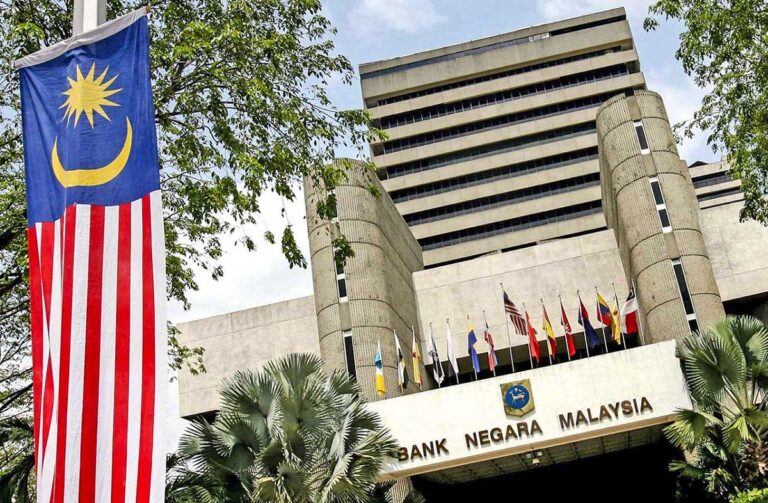
Malaysia has achieved a significant milestone in the global fight against financial crime, securing the highest possible rating in its Malaysia anti money laundering report released jointly by the Financial Action Task Force (FATF) and the Asia/Pacific Group on Money Laundering (APG).
The Mutual Evaluation Report (MER) 2025, published on 11 December, assessed the effectiveness of the country’s anti-money laundering, countering the financing of terrorism and proliferation financing (AML/CFT/CPF) framework following an on-site evaluation in February 2025.
The upgrade to “Regular Follow-Up” status, the highest category under the FATF mutual evaluation process, reflects substantial reforms to Malaysia’s legal framework and supervisory systems over the past decade.
Previously rated under a different category in 2015, the country’s elevation positions it among a select group of jurisdictions recognized for strong safeguards against illicit finance.
The comprehensive Malaysia anti money laundering report highlights notable improvements across key areas, including legislative enhancements, domestic inter-agency cooperation, and supervisory mechanisms for both financial institutions and non-financial professions.
According to the evaluation, Malaysia now demonstrates a sound understanding of money laundering risks, such as corruption, fraud, digital financial growth, and its role as a regional transit hub for smuggling, human trafficking and organized crime.
Despite these gains, the report notes that challenges remain, particularly in converting investigations into successful prosecutions and convictions.
While Malaysia has strengthened its legal tools and enforcement capacity, the transition from complex inquiries to effective judicial outcomes remains uneven, a gap that could undermine broader deterrence efforts if not addressed.
Risk assessments by the FATF also underscore ongoing vulnerabilities related to cross-border crime, trade-based money laundering and illicit finance linked to emerging technologies and digital finance platforms.
Although the country’s understanding of these risks is evolving, further enrichment of analytical frameworks is required.
In response to the MER 2025, Bank Negara Malaysia (BNM) Governor Datuk Seri Abdul Rasheed Ghaffour described the upgrade as a “whole-of-nation effort”, underscoring a decade of sustained reform by Malaysian authorities and stakeholders.
He noted that the outcome reflects a strengthened AML/CFT/CPF regime, enhancing both domestic financial integrity and international confidence in the country’s financial system.
“This achievement reflects Malaysia’s commitment to safeguarding its financial sector and combating financial crime,” Ghaffour said, emphasizing continued efforts to address emerging risks and regulatory gaps.
FATF President Elisa de Anda Madrazo also highlighted Malaysia’s dedication to the evaluation process, noting that authorities demonstrated a high level of engagement and cooperation throughout the assessment.
Malaysia was among the first countries to be evaluated under the latest round of mutual evaluations using updated methodologies.
The Malaysia anti money laundering report points to several areas of strength within the country’s AML/CFT structure:
Enhanced legal instruments: Recent amendments to key legislation, including the Anti-Money Laundering, Anti-Terrorism Financing and Proceeds of Unlawful Activities Act, as well as updates to corporate and trust laws, have fortified the legal basis for criminalizing illicit finance and improving transparency.
Supervisory frameworks: Malaysia’s regulatory oversight extends to traditional financial institutions, virtual asset service providers (VASPs) and designated non-financial businesses and professions (DNFBPs).
Frameworks for risk-based supervision have been strengthened, though smaller entities still require enhanced risk awareness and compliance capacity.
Financial intelligence and coordination: The national financial intelligence unit has seen improvements in data collection and reporting, with more than 1.39 million suspicious transaction reports filed over a five-year period, aiding analytical efforts against money laundering and terrorist financing.
The report also highlights Malaysia’s progress in prosecuting terrorist financing cases, a marked improvement from the last evaluation cycle, with convictions now recorded for several individuals.
However, concerns remain over the overall deterrent impact of sanctions and sentencing practices.
Asset recovery figures further illustrate Malaysia’s evolving AML capabilities. Between 2019 and early 2025, authorities recovered approximately €8 billion (about RM37.3 billion), a substantial share linked to the 1Malaysia Development Berhad (1MDB) scandal.
While this underscores law enforcement’s capacity to tackle high-profile cases, the report suggests this focus may have strained resources and impeded broader prosecutorial activity.
On the international front, Malaysia has bolstered its legal framework for cross-border cooperation and mutual legal assistance.
Nevertheless, the use of these mechanisms remains underutilized in many investigations, signaling scope for deeper engagement with global partners.
To sustain and build upon its progress, the FATF has provided Malaysia with a roadmap of key recommended actions.
These include enhancing mutual legal assistance effectiveness, strengthening sanctions regimes, and demonstrating a consistent increase in money laundering prosecutions and convictions over the next three years.
Malaysia is expected to report on its progress to both FATF and APG.
Do you have any story or press releases you want to share? Send tips to editor@envestreetfinancial.com
Follow us on Twitter, Facebook, or LinkedIn to ensure you don’t miss out on any